
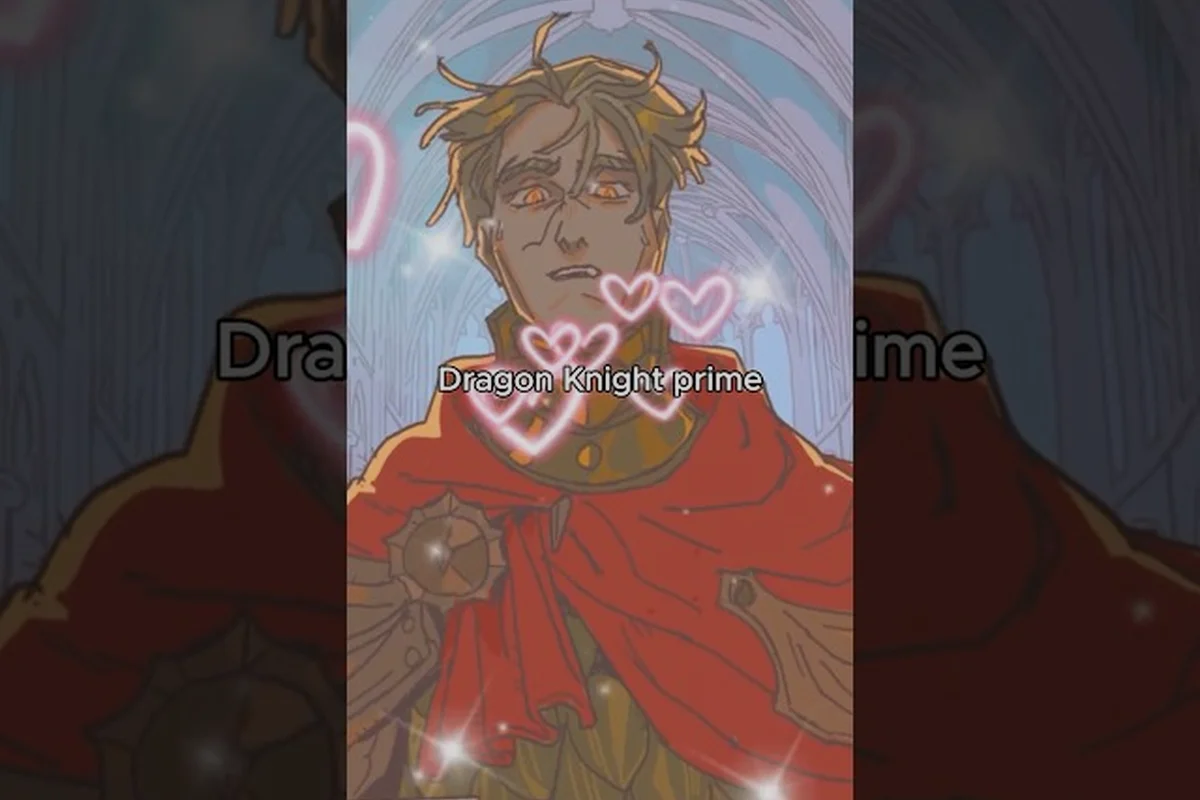
Every knight you recruit changes how your court performs, yet no official Sovereign Tower best knights tier list exists at launch. That means you need a reliable positioning framework to separate true Round Table champions from risky liabilities, and this guide delivers exactly that by breaking down each archetype, their stat profiles, and the quests where they shine.
Community testing and early previews from outlets like IGN confirm that knight archetypes range from goth knights to wolf knights and childlike giants, each with distinct stat distributions. Because your Armor Score determines permanent death risk and quest outcomes hinge on stat synergy, choosing the right knights is the difference between a thriving kingdom and a catastrophic wipe.
The Grading Method Behind the Best Knights Ranking
This tier list ranks knights based on three core criteria: quest success consistency, stat distribution efficiency, and Ego risk tolerance. A knight who excels at diplomacy quests might be useless in combat scenarios, while a balanced all-rounder can handle multiple assignments without constant supervision.
The ranking system draws from player experiences shared on the Steam Community forums, where players noted that Charisma specialists tend to be strong picks for court and diplomacy quests, while balanced all-rounders are safer for multi-Knight quests that require coordinated stat coverage.
| Tier | Definition | Best Use Case | Risk Level |
|---|---|---|---|
| S-Tier | Exceptional stats, low Ego, versatile | Core Round Table members for any quest type | Minimal |
| A-Tier | Strong specialization, manageable flaws | Reliable picks for specific quest categories | Low |
| B-Tier | Situational strengths, notable weaknesses | Fill roles when S or A tier unavailable | Moderate |
| C-Tier | High Ego or poor stat allocation | Avoid unless desperate or for challenge runs | High |
Before you dive into recruitment, understanding the knight recruitment system helps you spot high-tier candidates during court audiences. The Audience Loop determines which knights appear, so your faction alignment directly influences your available talent pool. The achievement system sometimes requires specific knight archetypes in your court, even if those knights perform poorly in quests.
S-Tier Knights: Charisma Specialists and Court Stars
S-Tier knights are the ones you build your entire strategy around because they deliver consistent results across multiple quest types while keeping your Ego management burden low. These knights rarely trigger negative events, maintain high Loyalty scores, and their stat distributions align with the most common quest requirements.
According to community reports, the wolf knight archetype frequently appears in S-Tier discussions because of its balanced combat and charisma stats. This makes it viable for both combat-heavy quests and court-related assignments, reducing the need for constant roster shuffling. This composition excels in court-related content but struggles in pure combat scenarios.
Stat Profile of S-Tier Candidates
The strongest knights typically exhibit one of two patterns: either a well-rounded distribution across all four core stats, or an exceptional peak in one stat with no critical weaknesses elsewhere. The key principle is matching knight strengths to quest requirements while avoiding critical weaknesses. Combat-focused A-Tier knights excel at knight duels, monster hunts, and military campaigns.
| Knight Archetype | Primary Stat | Secondary Stat | Ego Level | Best Quest Types |
|---|---|---|---|---|
| Wolf Knight | Combat | Charisma | Low | Combat, Diplomacy, Mixed |
| Balanced Veteran | All Stats | — | Very Low | Any Multi-Knight Quest |
| Charisma Paragon | Charisma | Intellect | Low | Court, Diplomacy, Negotiation |
The goth knight archetype also earns S-Tier consideration in specific compositions because of its high Intellect and unique dialogue options during quests, though its lower combat stats require careful assignment planning. According to community reports, the wolf knight archetype frequently appears in S-Tier discussions because of its balanced combat and charisma stats.
Why All-Rounders Dominate Multi-Knight Quests
Multi-Knight quests combine stat checks from multiple categories, which means a knight with a glaring weakness can sink the entire mission. S-Tier balanced all-rounders avoid this problem entirely, which is why community testing consistently places them at the top of any Sovereign Tower best knights tier list.
For example, a quest requiring Combat 60 and Charisma 50 will fail if your strongest combat knight has Charisma 20, even if their Combat stat is 80. The game checks all required stats for each participating knight, so coverage matters more than raw peak values.
A-Tier Knights: Excellent Specialists Worth Deploying Per Quest
A-Tier knights bring exceptional specialization to your Round Table, and while they carry more risk than S-Tier picks, their strengths make them invaluable for specific quest categories. These knights excel when assigned to missions that match their primary stat, but they require careful management to avoid exposing their weaknesses.
The community consensus suggests that situational stat experts shine only on matching quests, which means you should maintain a diverse bench of A-Tier specialists rather than relying on a single one. The exact balance depends on your playstyle, but community testing suggests a few reliable formulas.
Combat Specialists
Combat-focused A-Tier knights excel at knight duels, monster hunts, and military campaigns. Their high Combat stats ensure success in direct engagements, but their lower Charisma makes them poor choices for court proceedings or diplomatic missions. According to community reports, the wolf knight archetype frequently appears in S-Tier discussions because of its balanced combat and charisma stats.
| Knight Archetype | Combat Stat | Intellect Stat | Ego Level | Best Used For |
|---|---|---|---|---|
| Battle-Hardened Warrior | 75-85 | 30-40 | Moderate | Combat Quests, Defense |
| Wolf Knight (Variant) | 70-80 | 35-45 | Low | Combat, Scouting |
| Giant Child | 65-75 | 40-50 | Low | Combat, Physical Tasks |
The childlike giant archetype deserves special mention because, despite its name, it pairs solid combat stats with surprisingly low Ego, making it a reliable mid-tier combat option that won't cause court drama. According to community reports, the wolf knight archetype frequently appears in S-Tier discussions because of its balanced combat and charisma stats.
Diplomacy and Court Specialists
- Charisma specialists shine in court audiences, negotiation quests, and faction-related missions. Their high Charisma stats unlock additional dialogue options and increase success rates on social checks, which makes them essential for maintaining faction affinity with Nobility and People.
These knights struggle in combat scenarios, so you should pair them with combat-capable knights for mixed quests. Their Intellect typically sits in the moderate range, which supports puzzle-solving and investigation quests without reaching S-Tier versatility. A knight who excels at diplomacy quests might be useless in combat scenarios, while a balanced all-rounder can handle multiple assignments without constant supervision.
B-Tier Knights: Situational but Occasionally Essential in Events
B-Tier knights occupy a tricky middle ground because they possess real strengths but also carry notable flaws that can complicate your court management. You shouldn't recruit them as your primary Round Table members, but they can fill specific roles when better options aren't available.
The Ego-heavy or trait-risky knights that community members warn about often land in this tier because their personality traits generate negative court events, reducing overall stability even when their stats are serviceable. The trait-risky knights in this tier frequently generate negative events during court audiences, reducing your faction standing and wasting valuable time that could go toward more productive activities.
When B-Tier Knights Make Sense
There are legitimate reasons to deploy B-Tier knights, especially during the early game when your recruitment options are limited. Before you dive into recruitment, understanding the knight recruitment system helps you spot high-tier candidates during court audiences. When you must deploy B-Tier knights, Ego management becomes your top priority.
-
Early-game roster filling: Before you unlock better recruitment options, B-Tier knights provide necessary stat coverage.
-
Specific quest niches: A B-Tier knight with unusually high Intellect can handle investigation quests that your S-Tier combat knights cannot.
-
Faction alignment bonuses: Some B-Tier knights grant faction affinity bonuses that outweigh their statistical shortcomings.
| Knight Archetype | Primary Strength | Critical Weakness | Ego Level | Redeeming Factor |
|---|---|---|---|---|
| Scarred Veteran | High Combat | Low Charisma | High | Combat Quests Only |
| Court Schemer | High Intellect | Low Combat | Moderate | Investigation, Intel |
| Reckless Duelist | Very High Combat | Trait Risk | Very High | Extreme Combat Checks |
The reckless duelist archetype exemplifies the B-Tier dilemma because its combat stats can reach S-Tier levels, but its personality traits trigger random failure events that can sabotage otherwise winnable quests. According to community reports, the wolf knight archetype frequently appears in S-Tier discussions because of its balanced combat and charisma stats.
Managing Ego-Heavy Knights
When you must deploy B-Tier knights, Ego management becomes your top priority. These knights require more Loyalty building through gifts, court positions, and successful quest completions before they perform reliably. Players report that assigning an Ego-heavy knight to a Court Position that matches their personality can reduce negative events by a significant margin, though the effect varies based on individual traits. This makes court position assignment a critical management tool rather than a passive bonus system.
C-Tier Knights: Trait Risks and Ego Management
C-Tier knights represent the bottom of the Sovereign Tower best knights tier list because their stat allocations, personality traits, or both create more problems than they solve. While every knight can theoretically succeed in the right circumstances, C-Tier knights require disproportionate management effort for marginal returns.
The trait-risky knights in this tier frequently generate negative events during court audiences, reducing your faction standing and wasting valuable time that could go toward more productive activities. The Ego-heavy or trait-risky knights that community members warn about often land in this tier because their personality traits generate negative court events, reducing overall stability even when their stats are serviceable.
Identifying C-Tier Red Flags
Several warning signs immediately place a knight in C-Tier territory: Combat-focused A-Tier knights excel at knight duels, monster hunts, and military campaigns. The key principle is matching knight strengths to quest requirements while avoiding critical weaknesses. While no individual knight reaches S-Tier peaks, the combined coverage consistently succeeds across all quest types.
-
Extreme stat disparity: A knight with Combat 80 but Charisma 10, Intellect 10, and no other strengths fails most quest types.
-
Very High Ego: Knights with crippling Ego levels trigger constant loyalty challenges and refuse assignments.
-
Negative trait combos: Certain trait combinations create self-reinforcing negative loops, such as Arrogant + Reckless.
-
Low Armor Score: Knights with weak Armor Scores die permanently in their first serious quest, wasting your recruitment investment.
| Knight Archetype | Why They Rank Low | Potential Use | Recommendation |
|---|---|---|---|
| Arrogant Noble | Very High Ego, Low Loyalty | Faction Bonus Only | Avoid |
| Broken Soldier | High Combat, Trait Risk | Desperate Combat | Situational |
| Incompetent Courtier | Low All Stats | None | Never Recruit |
The arrogant noble archetype appears frequently in community warnings because its high Ego and low Loyalty create a feedback loop where failed quests reduce loyalty further, which increases Ego, which causes more failures. According to community reports, the wolf knight archetype frequently appears in S-Tier discussions because of its balanced combat and charisma stats.
When C-Tier Knights Are Worth It
There is exactly one situation where C-Tier knights become worth recruiting: when their faction affinity bonus is essential for unlocking a specific achievement or romance path. The achievement system sometimes requires specific knight archetypes in your court, even if those knights perform poorly in quests.
In these cases, recruit the C-Tier knight, keep them in reserve, and never assign them to critical quests. Their presence alone satisfies the requirement while your S-Tier and A-Tier knights handle actual work. A knight who excels at diplomacy quests might be useless in combat scenarios, while a balanced all-rounder can handle multiple assignments without constant supervision.
Building Your Optimal Knight Roster With Community Data
Your final roster composition should balance S-Tier reliability with A-Tier specialization while minimizing B-Tier and C-Tier exposure. The exact balance depends on your playstyle, but community testing suggests a few reliable formulas. The 3-4-2 formation works well for most players: three S-Tier knights as your core, four A-Tier specialists covering different quest categories, and two B-Tier knights for emergency replacements. This composition handles virtually any quest type while maintaining manageable Ego levels.
| Roster Role | Number of Knights | Knight Tiers | Primary Function |
|---|---|---|---|
| Core Members | 3-4 | S-Tier | Handle any quest type |
| Specialists | 4-5 | A-Tier | Cover specific quest categories |
| Bench Depth | 2-3 | B-Tier | Emergency replacements |
| Avoid | 0-1 | C-Tier | Only for achievement requirements |
Quest Assignment Strategy
Once your roster is set, quest assignment determines whether your knights succeed or fail. The key principle is matching knight strengths to quest requirements while avoiding critical weaknesses. While every knight can theoretically succeed in the right circumstances, C-Tier knights require disproportionate management effort for marginal returns.
-
Check all stat requirements: Every quest lists required stats for each participating knight, so verify coverage before assigning.
-
Balance Ego loads: Avoid assigning multiple high-Ego knights to the same quest, which increases failure risk.
-
Monitor Armor Scores: Knights with low Armor Scores should only tackle low-risk quests until their scores improve.
-
Rotate specialists: Don't overuse your A-Tier specialists on quests that don't match their strengths.
The Armor Score and death mechanics create real consequences for poor assignment choices. When a knight dies, they're gone permanently, and their loss can cascade into failed quests across multiple future turns. Multi-Knight quests combine stat checks from multiple categories, which means a knight with a glaring weakness can sink the entire mission.
Advanced Composition Strategies
For players seeking deeper optimization, the community has developed synergy-based compositions that combine knight archetypes for multiplicative effects. A Charisma core composition pairs two high-Charisma knights with one combat specialist, which maximizes success on diplomacy-heavy quests while maintaining combat capability. This composition excels in court-related content but struggles in pure combat scenarios. Alternatively, the balanced triangle composition uses one knight from each major stat category, ensuring complete stat coverage for multi-Knight quests. While no individual knight reaches S-Tier peaks, the combined coverage consistently succeeds across all quest types.
Frequently Asked Questions
What makes a knight S-Tier in Sovereign Tower?
S-Tier knights combine high stat totals, low Ego levels, and minimal trait risks. They perform consistently across multiple quest types without requiring excessive management attention. According to community data, the wolf knight archetype frequently qualifies because of its balanced combat and charisma scores.
How do I know which knights to avoid?
Avoid knights with very high Ego, extreme stat disparities, or negative trait combinations like Arrogant plus Reckless. Knights with low Armor Scores also carry permanent death risks that outweigh their benefits. If a knight requires constant loyalty management just to perform at average levels, they likely belong in C-Tier.
Can B-Tier knights become S-Tier through development?
Knights can improve through Loyalty building, court positions, and successful quest completions, but their core stat distributions remain fixed. A B-Tier knight might become more reliable, but they won't match the raw potential of a natural S-Tier knight. Invest development resources in your highest-tier knights first.
How does the tier list change with the Time Rewind system?
The Demon's Omniscience time rewind lets you retry failed quests and recruitment decisions, which changes tier evaluation. Knights with high Ego become less risky because you can rewind disastrous outcomes, while knights with unique dialogue options gain value. This makes the tier list more flexible for players who master the rewind system.
Where can I find the official tier list?
No official Sovereign Tower best knights tier list exists at launch. The rankings in this guide come from community testing and player reports shared on the Steam Community forums. For a deeper dive into individual knight stats and recruitable archetypes, check our complete knight database.